

How to Make Website Content Easier to Manage
A website should not require technical knowledge every time someone wants to publish a new page or update a piece of content.
Yet many businesses find themselves in exactly that position. Marketing teams wait for developers to make simple amendments, product managers duplicate information across multiple pages, and small updates become unnecessary projects. The website becomes a bottleneck rather than a tool that helps the business move faster.
This is seldom caused by the content management system itself. More often, it comes down to how the website has been planned and built.
Making website content easier to manage starts long before launch. It begins with understanding how people will use the website every day and designing a platform that supports those workflows rather than creating obstacles.
Design the website for editors, not developers
When a new website is being planned, much of the conversation revolves around functionality. What integrations are needed? What features should be included? What should the design look like?
Those questions are important, but there is another one that deserves just as much attention: who is going to manage the website once it goes live?
The people updating content are not developers. They are marketers launching campaigns, product teams updating information, customer service departments publishing support articles and internal stakeholders making regular amendments.
If those people cannot find what they need or feel nervous about making changes, the platform has not done its job.
A well-designed website makes publishing content feel intuitive. Editors should know exactly where information belongs and feel confident making updates without worrying about breaking the site.
Stop treating every page as a one-off
One of the biggest reasons websites become difficult to manage is because every page is built differently.
A new landing page introduces another layout. A campaign creates another template. Product pages all evolve separately over time. Before long, similar information is scattered across dozens of unique pages.
Managing content becomes slower because every update requires someone to remember where information appears and how that particular page has been built.
A modular approach solves this problem.
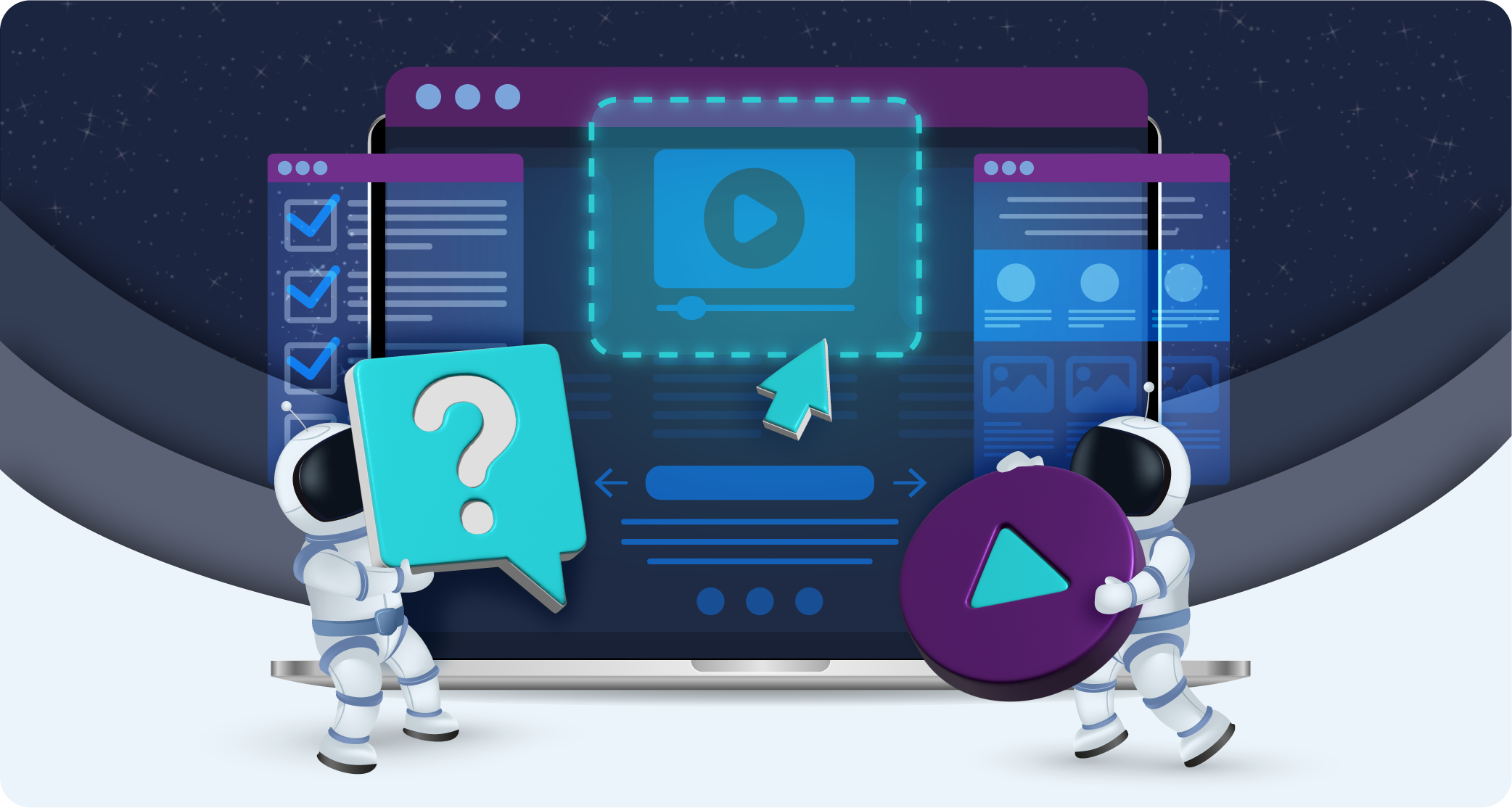
Rather than designing every page from scratch, content is built using reusable sections that can be combined in different ways. Testimonials, feature blocks, calls to action and content panels all become flexible building blocks instead of bespoke designs.
The website remains visually consistent while giving marketing teams the freedom to create new pages without needing developer support.
Make content reusable
Many businesses unknowingly create unnecessary work because the same information exists in multiple places.
A service description might appear on the main service page, within a case study, on an industry page and inside several landing pages. Updating that content becomes repetitive, increasing the chance that different versions begin to contradict one another.
Reusable content removes that problem.
Information is managed once and displayed wherever it is needed across the website. One update automatically keeps every instance consistent, reducing maintenance while improving accuracy.
This approach becomes increasingly valuable as websites grow. What feels manageable with twenty pages quickly becomes difficult with two hundred.
Give editors flexibility without sacrificing consistency
There is often a balance to strike between creative freedom and brand consistency.
Giving every editor complete control over layouts, colours and formatting does not produce good results. Restricting everything creates a platform that feels rigid and frustrating to use.
The most effective websites sit somewhere in the middle.
Editors have enough flexibility to build engaging pages using pre-designed content components, while the design system ensures everything remains on brand. Marketing teams can focus on creating strong content rather than worrying about fonts, spacing or page layouts.
The result is a website that evolves naturally while maintaining a consistent experience for visitors.
Build around real publishing workflows
Publishing content is seldom a one-person task.
Marketing may write the copy. Product teams may review technical details. Legal departments may approve wording before anything goes live.
The website should support these processes rather than forcing people to work around them.
Draft content, approval workflows, scheduled publishing and clear version history all make content management more efficient. Teams spend less time coordinating updates and more time creating valuable content.
The publishing process becomes predictable, which is particularly important for organisations managing multiple campaigns throughout the year.
Think beyond today’s website
One of the most common mistakes made during website projects is designing purely for current requirements.
Businesses evolve. New services are launched, departments grow, products expand, and marketing activity becomes more sophisticated. A website that feels simple today should still feel organised several years from now.
This means thinking carefully about how content is categorised, how different types of information relate to one another and how future sections can be introduced without restructuring the entire platform.
Planning for growth from the beginning creates a website that scales naturally alongside the business rather than constantly requiring redevelopment.
A content management system should save time
Every unnecessary click, duplicated update and confusing workflow creates friction for the people responsible for maintaining a website.
Those small frustrations accumulate over hundreds of content updates each year. Publishing slows down, information becomes outdated, and teams become reluctant to make changes without technical support.
A good content management experience removes those barriers. Editors know where everything lives, updates take minutes rather than hours, and new pages can be created without starting from scratch.
The website becomes an active business tool rather than something that only changes when a developer is available.
How we approach this at purpleplanet
At purpleplanet, we design websites with the people managing them firmly in mind. Before we think about layouts or functionality, we take time to understand how different teams create, review and publish content. That allows us to build content management systems that are straightforward to use, flexible enough to support future growth and robust enough to keep websites organised as businesses evolve.
The result is a platform that gives marketing teams more control while reducing the time and effort required to keep content accurate and up to date.