

What Makes a Website Age Well Over Time?
There’s a big difference between a website that looks good on launch day and a website that still works for the business three, five, or even ten years later.
A lot of websites are designed for the presentation, the reveal, the wow moment when the new homepage goes live, and everyone internally says how modern it looks.
Then six months later, cracks start to appear.
Pages become difficult to update, performance and SEO drop, the site no longer reflects the business, nobody internally wants to touch the CMS because every small change feels risky, and the design starts feeling dated because it was built around trends instead of clarity.
And eventually the conversation starts again:
“We need a new website”
At purpleplanet, we’ve spent years working with businesses that are tired of rebuilding from scratch every few years, because the websites they invested in were never designed to evolve in the first place.
Good websites are built around structure, not trends
A website that ages well isn’t the flashiest one in the room; it’s the one that continues to support growth, generate leads, adapt to change, and make life easier for the people using it.
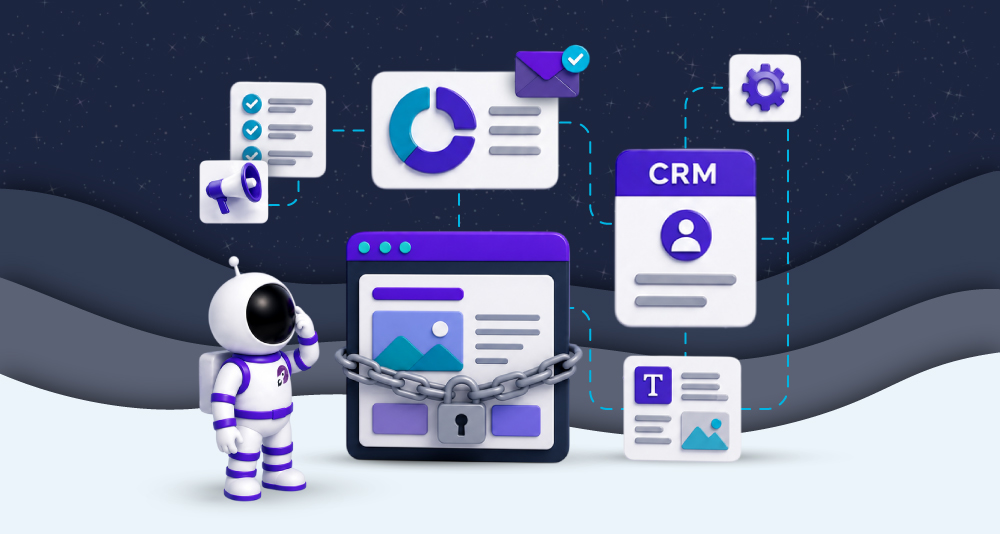
One of the biggest mistakes businesses make is treating a website like a visual project rather than a business system.
Design matters, branding matters, and first impressions matter.
But structure matters more.
The websites that stand the test of time are built around clear user journeys, scalable content structures, flexible systems, and business goals that won’t disappear the moment trends change.
You can normally spot the difference quite quickly.
Trend-led websites often look impressive in screenshots but become frustrating in day-to-day use. Navigation becomes overcomplicated, animations slow things down, content becomes difficult to manage, and teams end up relying on developers for every small update.
The businesses we work with are looking for something different.
They want a website that helps them generate enquiries, support sales conversations, improve visibility in search, and grow alongside the business itself. Something their internal team can work with, not fight against.
That’s why we spend so much time thinking about systems, workflows, content hierarchy, and long-term scalability before we even get into visuals.
SEO isn’t something you bolt on afterwards
A website that ages well is a website that was built with SEO in mind from the start.
Not in the old-fashioned sense of stuffing keywords into pages or chasing algorithms, but in the sense of creating clear, accessible, useful content structures that search engines and humans can both understand.
One of the reasons websites become outdated so quickly is that they’re built around aesthetics alone, and there’s no depth behind the design.
The content lacks direction, the page structure makes no sense, service pages overlap, navigation becomes confusing, and important information gets buried under clever layouts and oversized graphics.
It looks great, but it doesn’t perform.
Search visibility and conversion come from clarity.
Google has become increasingly focused on understanding intent, relevance, usability, and quality; businesses that continue to perform well over time are the ones that communicate clearly and organise information logically.
That’s why scalable SEO is less about hacks and more about solid foundations.
A well-structured website allows you to expand content over time, add new services, target new markets, improve internal linking, and keep the business fresh without needing a complete rebuild every couple of years.
The best websites evolve gradually because they were designed to evolve from day one.
Performance and maintenance are where a lot of websites start falling apart
One of the biggest frustrations businesses face is investing in a new website only for it to become slow, unstable, or difficult to maintain within a relatively short period of time.
This normally comes down to shortcuts.
Heavy themes, excessive plugins, poor development standards, and rushed builds might speed up delivery initially, but they create problems later.
Performance suffers, updates become risky, integrations break, security becomes a concern, and suddenly, a website that was supposed to make life easier becomes another operational headache.
At purpleplanet, we’ve always believed websites should reduce friction, not create it.
That means building bespoke systems around the business rather than forcing the business into rigid templates that were never designed for its workflow.
It also means thinking beyond launch:
How easy is it to add new pages?
Can the internal team update content confidently?
Will the site still support the business two years from now when services evolve, or will the company grow into new markets?
Can the platform integrate with wider systems and processes?
These are the questions that make the difference between a website that ages gracefully and one that becomes obsolete far too quickly.
Businesses change, your website needs to keep up
A website is never finished, because businesses don’t stand still either.
Services change, teams grow, positioning shifts, customer expectations move, and technology improves.
A website that ages well creates room for that evolution instead of resisting it.
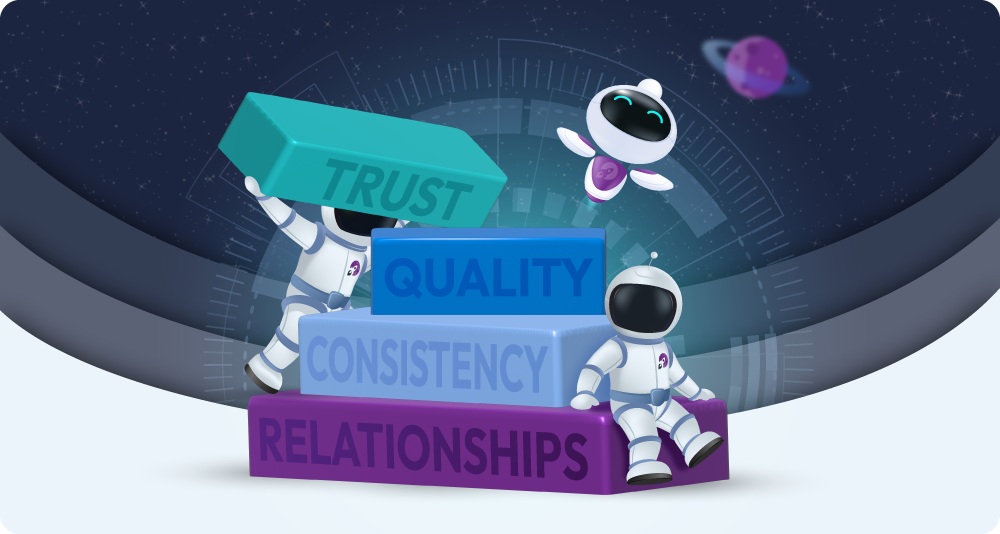
That’s one of the reasons we’ve retained client relationships for years rather than months. Many businesses don’t need a brand new website every time something changes; they need a strong digital foundation that can adapt over time.
That’s a very different mindset from agencies focused purely on launch projects.
We’ve worked with organisations managing complex multilingual platforms, businesses scaling internationally, growing brands repositioning themselves, and companies trying to simplify years of digital clutter and disconnected systems.
In most cases, the goal isn’t to create something flashier; it’s to create something clearer.
Because clarity tends to age far better than trends do.
The websites that last are often the simplest
The best-performing websites aren’t trying to impress people with complexity.
They guide users clearly, communicate confidently, remove friction, and help people find what they need without forcing them through layers of jargon, distractions, or unnecessary design tricks.
That takes discipline.
It’s easy to overdesign; it’s much harder to simplify something complex without losing substance.
But that’s where experience matters.
Over the years, we’ve seen businesses waste huge amounts of time and money rebuilding websites that were designed around presentation rather than performance.
The irony is that many of the best long-term digital systems are the ones users barely notice because everything simply works the way it should….and that’s the point.
How purpleplanet approaches long-term website design
At purpleplanet, we build websites with longevity in mind.
That means combining strategy, design, development, SEO, automation, and business thinking into one joined-up process rather than treating them as separate disciplines.
Every website is bespoke, built around the goals, workflows, and growth plans of the business behind it.
We focus heavily on structure, scalability, usability, and performance because those are the things that continue to matter long after launch day.
Whether we’re building a lead generation website, an eCommerce platform, or a large-scale multilingual system, the goal is always the same: create something that works now and continues to work as the business evolves.
We don’t believe in overcomplicating things or hiding behind technical jargon.
Our job is to simplify complexity, guide clients through the process clearly, and build systems that support real business growth over time.
If you’d like some sensible advice in this increasingly noisy industry, get in touch with a member of our team.