
What Website Maintenance Should Include
Launching a new website is often seen as the finish line. The design is signed off, the pages go live, and the project is considered complete. In practice, launching a website is only the beginning.
Every website requires ongoing maintenance to remain secure, reliable and effective. Without it, performance gradually declines, security risks increase and small technical issues can develop into larger problems. While maintenance rarely receives the same attention as a redesign, it plays an important role in protecting your investment and ensuring your website continues to support your business.
The question isn’t whether a website needs maintenance; it’s whether that maintenance is keeping pace with the demands placed upon it.
Security should always come first
Cyber threats continue to evolve, which means website security cannot be treated as a one-off task.
Content management systems, plugins, themes and server software all receive regular updates to address newly discovered vulnerabilities. Delaying those updates increases the risk of security breaches and leaves websites exposed to issues that have often already been resolved by software providers.
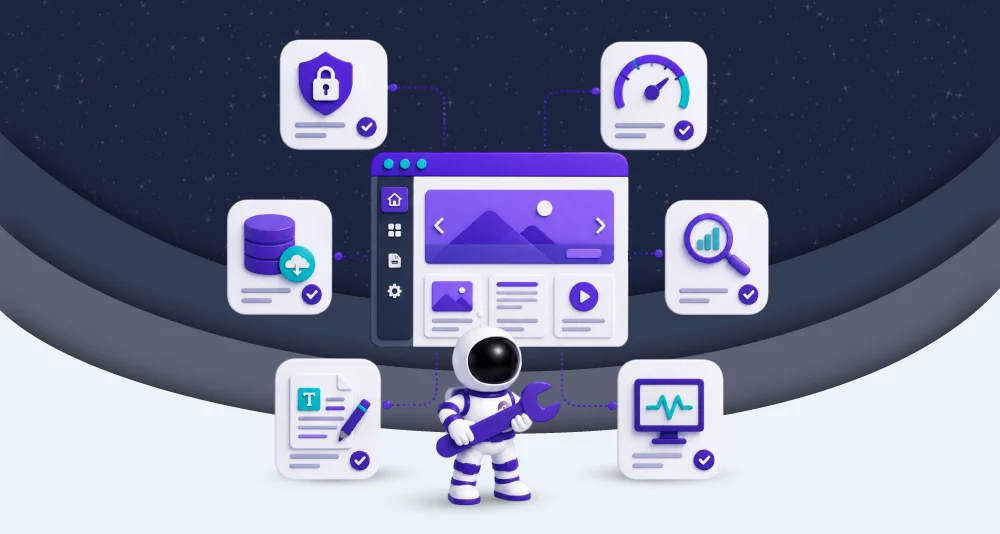
Effective website maintenance includes monitoring for security issues, applying updates promptly and ensuring backups are available should anything unexpected occur.
A secure website protects both your business and the people who use it.
Performance should be monitored, not assumed
A website that loaded quickly six months ago may not perform the same way today.
New content, software updates, third-party integrations and growing databases can all affect loading times over time. Changes are often gradual, making them difficult to notice until they begin affecting user experience or search performance.
Regular performance reviews help identify opportunities to improve speed before they become noticeable to visitors.
Performance isn’t something you optimise once; it’s something you continue to monitor.
Broken functionality damages trust
Visitors expect every part of a website to work exactly as intended.
Broken contact forms, missing images, failed payment processes, outdated downloads or links leading to error pages create unnecessary frustration. Even small issues can reduce confidence and cause potential customers to leave before making contact.
Routine maintenance should include testing the key journeys throughout a website, ensuring forms, integrations, downloads and other important functionality continue to work correctly.
These checks often take very little time, yet they can prevent lost enquiries and poor user experiences.
Content also needs maintaining
Businesses evolve, and their websites should evolve with them.
Services change, team members join, products are updated, and customer expectations develop over time. When content isn’t reviewed regularly, websites begin to present an outdated picture of the organisation behind them.
Maintaining a website isn’t only about technical updates; it’s also about ensuring the information visitors rely on remains accurate and relevant.
Fresh, well-maintained content also supports search visibility by demonstrating that a website continues to provide useful, up-to-date information.
SEO requires ongoing attention
Search engines constantly revisit websites to assess their quality and relevance.
Technical issues, broken links, duplicate content and indexing problems can all develop over time, particularly as websites grow. Left unresolved, these issues can gradually reduce visibility in search results without any obvious warning signs.
Regular technical reviews help identify problems before they begin affecting rankings and ensure search engines can continue crawling and understanding your website effectively.
SEO works best when it becomes part of ongoing website maintenance rather than an isolated project.
Planning for growth
Many businesses introduce new functionality over time, whether that’s integrating a CRM, adding an online booking system, expanding into ecommerce or creating new landing pages for marketing campaigns.
Without regular maintenance, these additions can introduce unnecessary complexity, reduce performance or create compatibility issues elsewhere on the website.
Maintaining a website also means ensuring it remains flexible enough to support future growth without compromising reliability or user experience.
Website maintenance is about protecting long-term performance
Website maintenance isn’t simply about keeping a website online.
It’s about protecting security, maintaining performance, supporting search visibility and ensuring visitors continue to have a positive experience every time they visit.
Businesses invest significant time and money into building a website; maintaining it properly ensures that investment continues delivering value long after launch.
At purpleplanet, we view website maintenance as an ongoing partnership rather than a support package.
Alongside security updates and technical monitoring, we help businesses keep their websites performing at their best through proactive maintenance, performance reviews and continuous improvements that support long-term growth.