
Why Fast Websites Still Fail to Convert
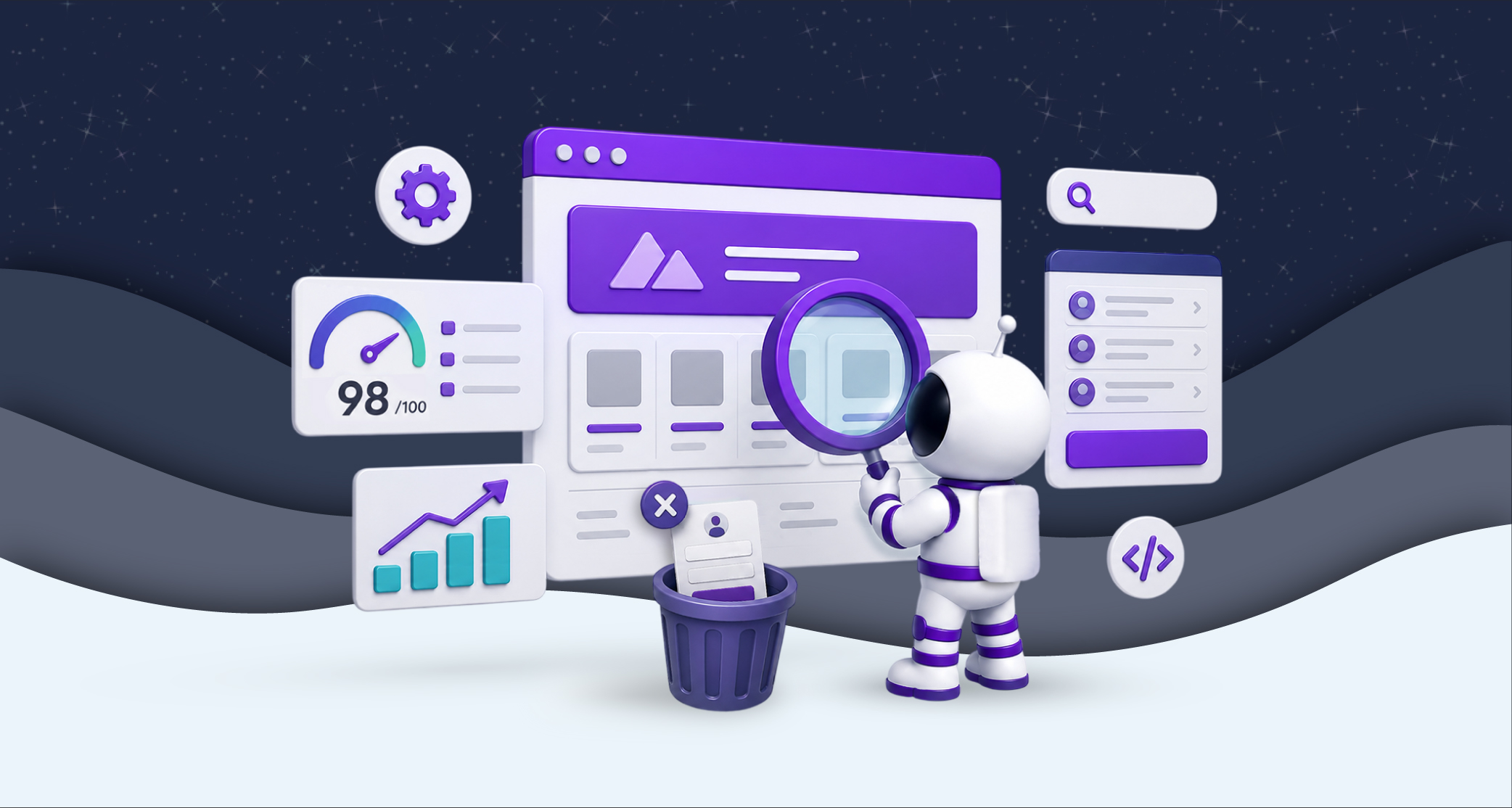
Website speed has become one of the most talked-about measures of digital performance, and for good reason; businesses invest in faster hosting, optimise images, improve Core Web Vitals and celebrate when their page speed scores improve.
Those improvements matter; a slow website creates friction, damages the user experience, and can negatively impact search visibility. Visitors expect websites to load quickly, and businesses should treat performance as a priority.
However, speed alone does not generate enquiries, sales or leads.
Many businesses launch a fast website expecting conversion rates to improve automatically, but when they do not, the assumption is often that more traffic is needed. In reality, the problem frequently lies with the website itself; a fast website that does not communicate value, guide users or build confidence will still struggle to convert visitors into customers.
Website performance should never be measured by loading speed alone; it should be measured by what visitors do once they arrive.
Speed gets people through the door; your website has to do the rest.
A fast website allows visitors to engage, but it does not persuade them to stay.
Once a page has loaded, people begin making decisions within seconds. They are trying to understand what your business does, whether you solve their problem and whether they trust you enough to take the next step.
This is where many websites begin to lose potential customers; businesses often focus heavily on technical improvements while overlooking the fundamentals of communication. Pages become filled with generic messaging, complicated navigation or large sections of text that fail to answer the questions visitors have.
A website can load in under a second and still leave people uncertain about what the business offers.
The purpose of a website is not simply to display information; it is to move people through a journey that ends with an enquiry, purchase or conversation.
Visitors do not arrive with unlimited patience
People don’t visit a website because they have time to spare; they have a problem to solve, a supplier to compare or a service to evaluate, and they want to find the information they need without unnecessary effort.
Every additional decision, confusing page or unclear message increases the likelihood that they will leave.
Good website conversion depends on reducing friction throughout the user journey. Visitors should always know where they are, what they are looking at and what action they should take next.
This applies to every part of the website, from the homepage and navigation through to service pages, contact forms and calls to action.
Fast loading pages help maintain momentum, but they cannot compensate for a confusing user experience.
Good design supports decision making
Visual design is often judged by how modern or attractive a website looks, but good design is about communication.
Layout, spacing, typography, imagery and colour all influence how people absorb information; a well-designed page helps visitors understand what matters most and guides their attention towards the actions you want them to take.
When design choices are driven purely by appearance, important information can become difficult to find or understand.
The most effective websites balance aesthetics with usability because every design decision should make it easier for visitors to move forward rather than creating unnecessary distractions.
A visually impressive website that fails to generate enquiries is not performing well.
Content has a direct impact on conversion
Businesses often underestimate the role content plays in website performance because visitors are not simply reading words; they are looking for reassurance that they have found the right company.
Strong website copy explains services clearly, demonstrates expertise and answers the questions potential customers are already asking. It removes uncertainty, builds confidence throughout the buying journey and gives visitors clear reasons to continue.
Generic headlines, vague statements and internal business language make that process more difficult. Visitors should never have to work out what a company does or why it is different.
Every page should have a clear purpose and support the overall conversion journey.
Content should also reflect the audience it is intended for; the questions asked by a procurement manager are often different from those of a marketing director or business owner, and understanding those differences helps create content that feels relevant and useful.
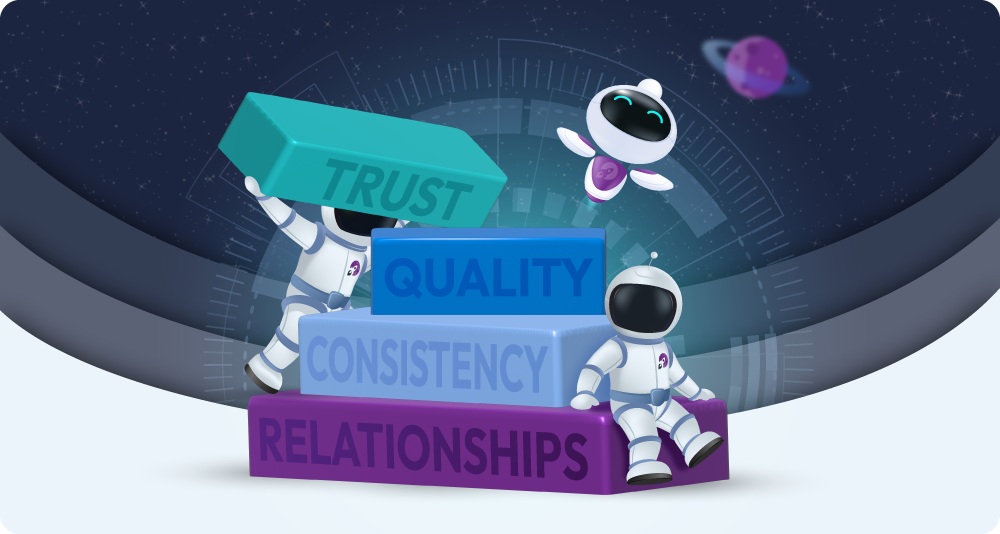
Trust influences every conversion
Before contacting a business, most visitors look for evidence that they are making the right decision. Case studies, client testimonials, recognised brands, certifications and examples of previous work all help reduce perceived risk.
Without those signals, visitors are expected to rely solely on marketing claims.
Trust should be built throughout the website rather than confined to a single testimonials page because relevant evidence placed alongside services, products or key messages reinforces credibility at the point where visitors are making decisions.
The stronger the trust signals, the easier it becomes for visitors to move towards an enquiry.
Conversion is an ongoing process
Many organisations treat a website launch as the finish line; in practice, it is the beginning.
Businesses evolve, customer expectations change, and user behaviour develops over time, so a website should adapt alongside those changes.
Monitoring user behaviour, reviewing conversion data, and testing improvements provides valuable insight into where visitors are dropping out or encountering obstacles.
Small changes to messaging, page structure, navigation or calls to action can produce significant improvements without redesigning the entire website, and continuous optimisation ensures a website continues supporting business objectives rather than gradually becoming less effective.
A fast website is only one part of website performance
Technical performance remains important because fast loading pages improve user experience, support accessibility and contribute to better search engine performance.
However, website conversion depends on more than speed.
Successful websites combine strong messaging, intuitive navigation, thoughtful design, relevant content and clear conversion paths; every element should work together to help visitors make informed decisions with confidence.
Speed creates the opportunity for engagement, but the overall experience determines whether that opportunity becomes a customer enquiry.
How we approach this
At purpleplanet, website performance is viewed as more than a technical exercise.
Every project considers how people move through a website, what information they need at each stage and what prevents them from taking action. Performance, usability, content and design are developed together because improving one area while neglecting the others rarely delivers meaningful business results.
The objective is not simply to build fast websites, but to create websites that help organisations generate more enquiries, support sales and provide measurable long-term value. If you’d like to have a chat about how we can help you convert more visitors online, please get in touch with a member of our friendly team.